













Grab a coffee and warm-up before the day
Grab a coffee and warm-up before the day

This panel explores how lawmaking must evolve to govern not only emerging technologies, but also the institutions and
This panel explores how lawmaking must evolve to govern not only emerging technologies, but also the institutions and protocols that govern them. As private actors take on quasi-sovereign roles, how do we ensure oversight, legitimacy, and accountability?
As AI systems become capable of performing legal tasks - from drafting to advising - the boundaries of
As AI systems become capable of performing legal tasks - from drafting to advising - the boundaries of legal practice are being tested. This session explores how companies, platforms, and law firms navigate complex regulations like fee-splitting, UPL, and ABS while deploying AI.

The legal industry’s pivot to AI is built on a single, fragile pillar: Trust. But where does that
The legal industry’s pivot to AI is built on a single, fragile pillar: Trust. But where does that trust actually live? Is it in the secure server architecture, the sovereign regulatory framework, or the prompt layer where the lawyer interacts with the tool?
Exploring how modern legal departments are embracing automation, data analytics, and agile methodologies to deliver faster, smarter, and
Exploring how modern legal departments are embracing automation, data analytics, and agile methodologies to deliver faster, smarter, and more scalable legal services. From contract lifecycle management to spend optimization and cross-functional collaboration, we’ll examine how Legal Ops is evolving into a tech-enabled, performance-driven discipline.
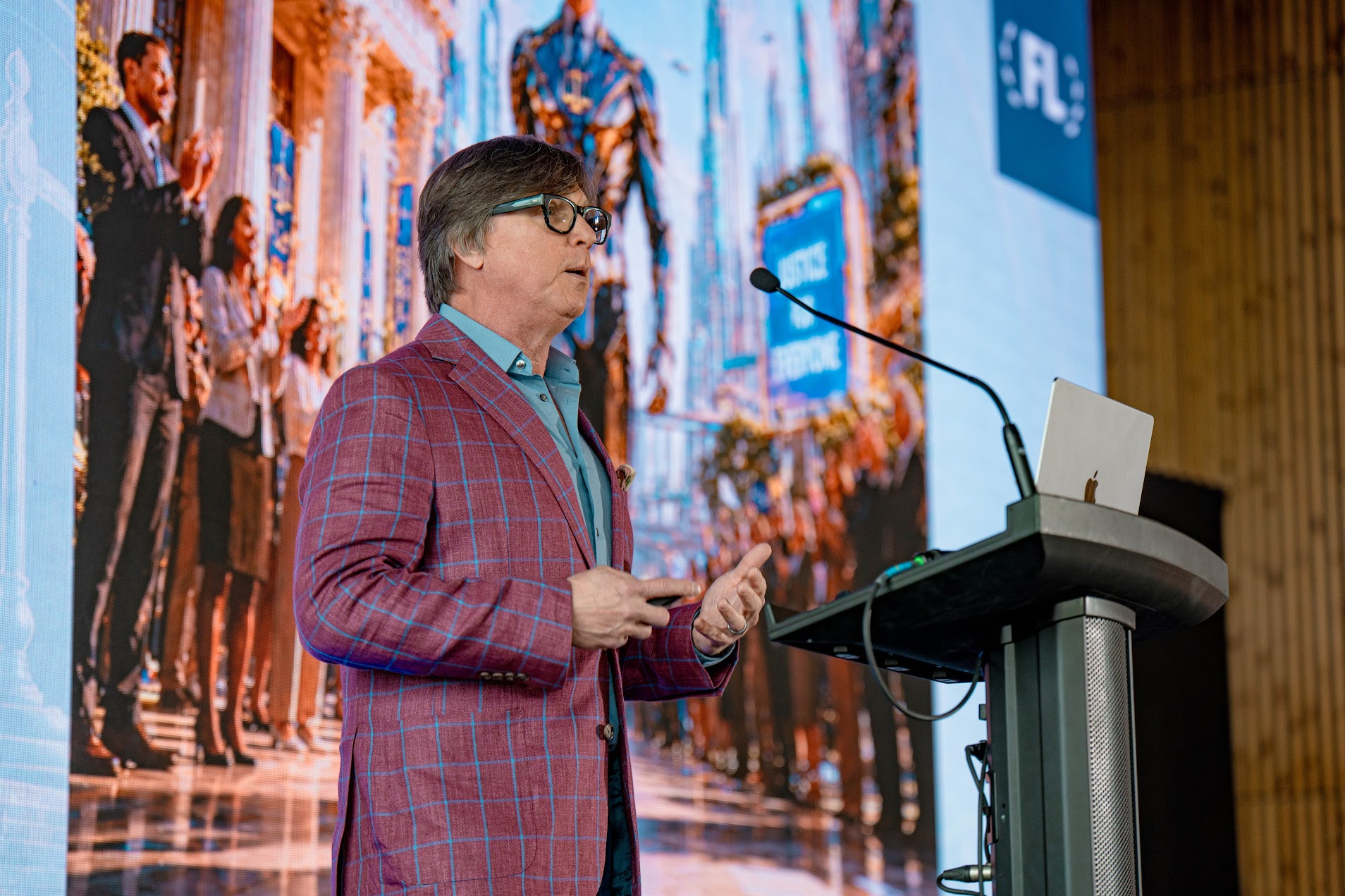
As digital technologies make surveillance, detection, and automated decision-making increasingly powerful, societies face a critical question: what happens
As digital technologies make surveillance, detection, and automated decision-making increasingly powerful, societies face a critical question: what happens when laws become perfectly enforceable? This keynote explores that dilemma through a historical thought experiment. By examining the actions of Martin Luther through the lens of a fictional AI judge applying 16th-century law with modern enforcement technologies — from drones to automated evidence systems — we reveal how technological power can transform the relationship between law, dissent, and social reform.
By 2026, the legal industry has moved past the experimental phase of Generative AI. The challenge is no
By 2026, the legal industry has moved past the experimental phase of Generative AI. The challenge is no longer acquiring the technology; it is the brutal reality of change management, operational friction, and workflow integration. This keynote strips away the vendor hype to explore how law firms and corporates are actually transforming AI from a novelty into core infrastructure.

Legal services are shifting from human-centered drafting to machine-readable, interoperable systems. This panel explores how AI and automation
Legal services are shifting from human-centered drafting to machine-readable, interoperable systems. This panel explores how AI and automation are not just tools but architects of legal infrastructure - from privacy-preserving computation to contract ecosystems and regulatory frameworks.
Legal education is at a crossroads. To prepare lawyers for a globalized, interdisciplinary future, we must move beyond
Legal education is at a crossroads. To prepare lawyers for a globalized, interdisciplinary future, we must move beyond lecture-based pedagogy and embrace cognitive diversity. This panel explores inclusive, experiential, and culturally agile approaches to legal training - from neurodiverse learning formats to transnational collaboration.
This session explores how the traditional law firm - built on partnership, prestige, and bespoke expertise - is
This session explores how the traditional law firm - built on partnership, prestige, and bespoke expertise - is adapting to a landscape shaped by productization, investor capital, and rising client expectations. Is the firm evolving into something new, or being outpaced by more agile competitors?
This session brings together experts championing distinct visions of the future lawyer. Through spirited debate, they’ll explore what
This session brings together experts championing distinct visions of the future lawyer. Through spirited debate, they’ll explore what skills, mindsets, and structures will shape legal identity in 2030 - and whether tradition still has a place in a world of transformation.
Grab a coffee and warm-up before the day
Grab a coffee and warm-up before the day
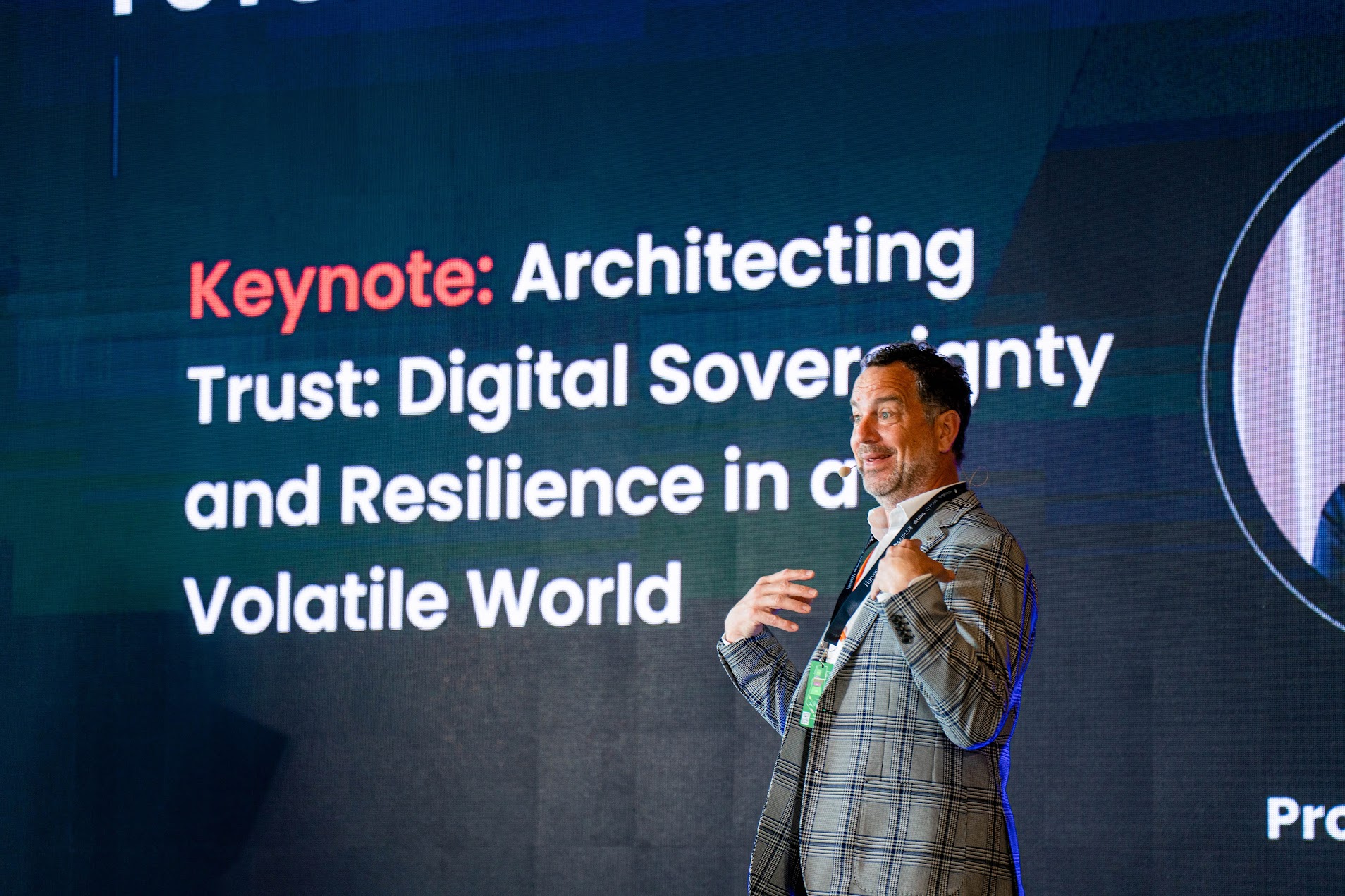
In an era of deep geopolitical volatility and hyper-transparency, institutional trust can no longer rely on promises or
In an era of deep geopolitical volatility and hyper-transparency, institutional trust can no longer rely on promises or paper compliance—it must be structurally engineered. As organizations face unprecedented reputational and regulatory risks, the foundation of legal and operational security is shifting to digital sovereignty.

This panel brings together judicial leaders, innovators, and institutional experts to explore how digital courts and intelligent ADR
This panel brings together judicial leaders, innovators, and institutional experts to explore how digital courts and intelligent ADR platforms are transforming access to justice, procedural design, and institutional legitimacy across Europe and beyond.
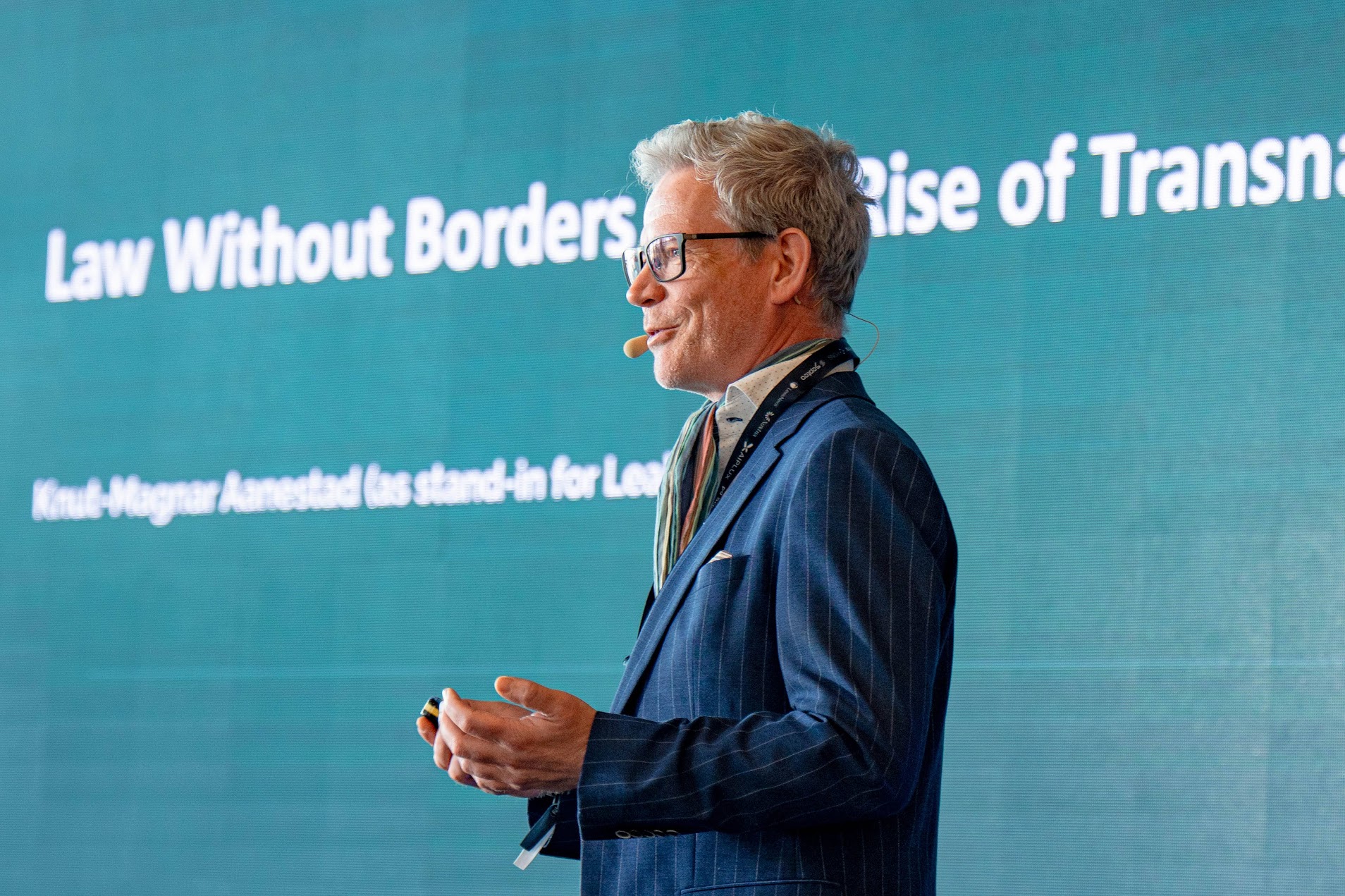
This keynote explores the emergence of transnational legal infrastructures that operate across jurisdictions, languages, and regulatory regimes. From
This keynote explores the emergence of transnational legal infrastructures that operate across jurisdictions, languages, and regulatory regimes. From global dispute resolution networks to interoperable contract ecosystems, the speaker will examine how technology is enabling law to function as a borderless service - and what this means for sovereignty, compliance, and legal identity.

This panel brings together representatives from leading legal tech associations to explore how cross-border partnerships are shaping the
This panel brings together representatives from leading legal tech associations to explore how cross-border partnerships are shaping the future of legal services. From harmonizing standards to co-developing tools, participants will share insights on building trust, scaling impact, and navigating regulatory complexity across jurisdictions.
As courts digitize and legal datasets expand, predictive models can forecast case outcomes, judge behavior, settlement likelihood, and
As courts digitize and legal datasets expand, predictive models can forecast case outcomes, judge behavior, settlement likelihood, and procedural bottlenecks. But with this power comes complexity: What happens when legal strategy is shaped by algorithms? How do we preserve fairness, transparency, and human judgment in a system increasingly governed by statistical inference?
Most conversations about AI and human judgment in law are hypothetical. This one isn't. Drawing on data and
Most conversations about AI and human judgment in law are hypothetical. This one isn't. Drawing on data and lessons learned from deploying an AI Workbench to assist adjudicators in over 20,000 real estate disputes, this session explores the reality of human-machine interaction in high-stakes environments. Uwais Iqbal will unpack why UX often matters more than raw model power, how to mitigate automation bias, and the architectural principles required to design for user trust from day one.

In a market flooded with AI hype and "feature-centric" development, legal professionals often end up with tools that
In a market flooded with AI hype and "feature-centric" development, legal professionals often end up with tools that dazzle in demos but fail in daily workflows. We seem to have lost track of the human: the lawyer trying to be efficient and the client trying to understand. This panel strips away the noise to ask: What makes a legal tech solution truly "good"?
What happens when legal expertise is no longer delivered as a one-off service, but as a repeatable product?
What happens when legal expertise is no longer delivered as a one-off service, but as a repeatable product? This panel explores how legal professionals and technologists are transforming bespoke advice into scalable, modular offerings. From contract automation to compliance-as-a-service, the session unpacks the mindset, design logic, and operational shifts behind productized legal delivery.
The UK’s experiment with Alternative Business Structures (ABS), fee-sharing, and liberalized ownership rules has created one of the
The UK’s experiment with Alternative Business Structures (ABS), fee-sharing, and liberalized ownership rules has created one of the most dynamic legal markets in the world. This session explores how regulatory innovation has enabled new entrants, investor-backed ventures, and tech-enabled platforms to compete alongside traditional firms.

This panel brings together Baltic and Nordic Bar leaders to explore how they are adapting - not just
This panel brings together Baltic and Nordic Bar leaders to explore how they are adapting - not just administratively, but strategically - to ensure that law remains locally grounded, professionally credible, and publicly trusted in a globalized, AI-enabled world.
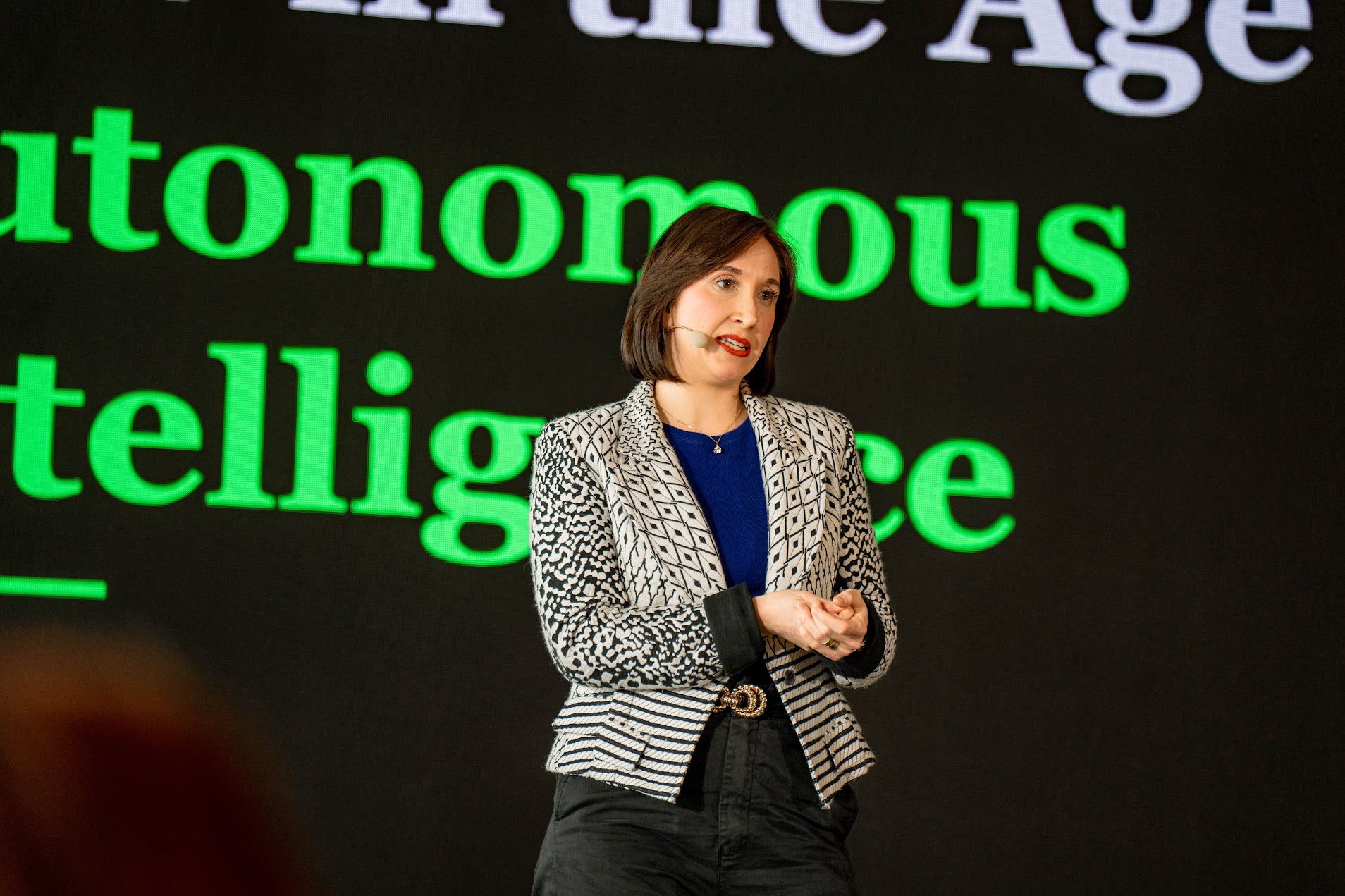
This keynote explores the shifting boundaries of legal personhood, liability, and governance in an era of synthetic agents
This keynote explores the shifting boundaries of legal personhood, liability, and governance in an era of synthetic agents and algorithmic autonomy. From AI-generated contracts to self-directed litigation bots, we’ll examine how law must adapt to systems that learn, act, and evolve beyond human control.

What happens when the law lags behind reality? This workshop invites participants to reverse-engineer legal frameworks for technologies
What happens when the law lags behind reality? This workshop invites participants to reverse-engineer legal frameworks for technologies and scenarios that don’t yet have precedent-synthetic media, autonomous agents, virtual jurisdictions, and post-human rights. This is not just a workshop-it’s a sandbox for legal imagination. Ideal for legal designers, futurists, and anyone ready to think beyond the edge of the map.
Legal practice often overlooks the cognitive diversity of its professionals and clients. From rigid communication norms to inaccessible
Legal practice often overlooks the cognitive diversity of its professionals and clients. From rigid communication norms to inaccessible workflows, many systems unintentionally exclude neurodivergent thinkers. In this workshop, participants will identify common barriers to cognitive inclusion and redesign one legal process - such as client intake, internal collaboration, or document formatting - to make it more accessible.

Most contracts are still written for lawyers, and today’s AI tools often just rehash that dense, rigid language
Most contracts are still written for lawyers, and today’s AI tools often just rehash that dense, rigid language at unprecedented scale. But negotiators, counterparties, and contract managers still need clarity and trust, not just volume. In this workshop, participants will learn tips for designing clear contracts that reduce negotiation friction. Participants will redesign a short contract excerpt, using true and tested clear communication techniques that not only aid human understanding, but also enable automation and AI review more effectively.

The law firm of 2030 won’t just be digital - it will be reimagined from the ground up.
The law firm of 2030 won’t just be digital - it will be reimagined from the ground up. This legal workshop invites participants to prototype the future firm: one shaped by AI, automation, new client expectations, and evolving legal roles. Working in small teams, participants will design a core process or service — such as onboarding, dispute resolution, or contract review - using AI tools and future-facing workflows.

Basic AI chat interfaces are giving way to sophisticated, multi-step automated reasoning. This workshop explores how top-tier legal
Basic AI chat interfaces are giving way to sophisticated, multi-step automated reasoning. This workshop explores how top-tier legal teams are moving beyond simple document review to engineer complex workflows — such as multi-jurisdictional regulatory analysis, automated due diligence reporting, and case strategy synthesis. Participants will learn how to structure complex legal prompts and how advanced AI models process sophisticated legal logic at scale.
A hands-on exploration of how patent, trademark, and in-house IP teams can adopt AI in day-to-day IP legal
A hands-on exploration of how patent, trademark, and in-house IP teams can adopt AI in day-to-day IP legal workflows without compromising confidentiality, legal privilege, or operational control. Participants learn how the Legal AI 3P framework: Privilege, Privacy, and Portability can be applied to real-world IP workflows, including prior art synthesis, patent drafting support, trademark watch, opposition preparation, and internal knowledge assistance.

The era of generic AI chat is giving way to structured, repeatable workflows configured around specific legal playbooks
The era of generic AI chat is giving way to structured, repeatable workflows configured around specific legal playbooks and risk tolerances. In this hands-on workshop, Uwais Iqbal walks participants through the methodology of building customizable, agent-based workflows for tasks like contract review, NDA triage, and compliance assessment. Participants will work through strategic exercises to map their own legal playbooks, define human-in-the-loop checkpoints, and structure complex prompts. Attendees will learn the architectural frameworks needed to rethink how legal work gets done, seeing live demonstrations of how these workflows operate in practice.


